What Does A Professional Commercial Cleaning Service Actually Include?
Professional commercial cleaning usually includes routine cleaning, hygiene maintenance, waste removal, washroom cleaning, touchpoint sanitisation, floor care, periodic deep cleaning, and clear quality checks. For business owners, the exact service should depend on your premises, footfall, sector, opening hours, and compliance requirements.
From our experience as commercial cleaning experts in Croydon, one of the most common misconceptions is that every cleaning contract includes the same tasks. In reality, a professional commercial cleaning service should be tailored to how your workplace operates, the people who use it, and the standards your business needs to maintain.
A good provider should not simply "send a cleaner". They should agree a clear cleaning specification, explain what is included, manage standards, provide appropriate products and equipment, and adapt the service around how your workplace is actually used.
The Practical Answer For Business Owners
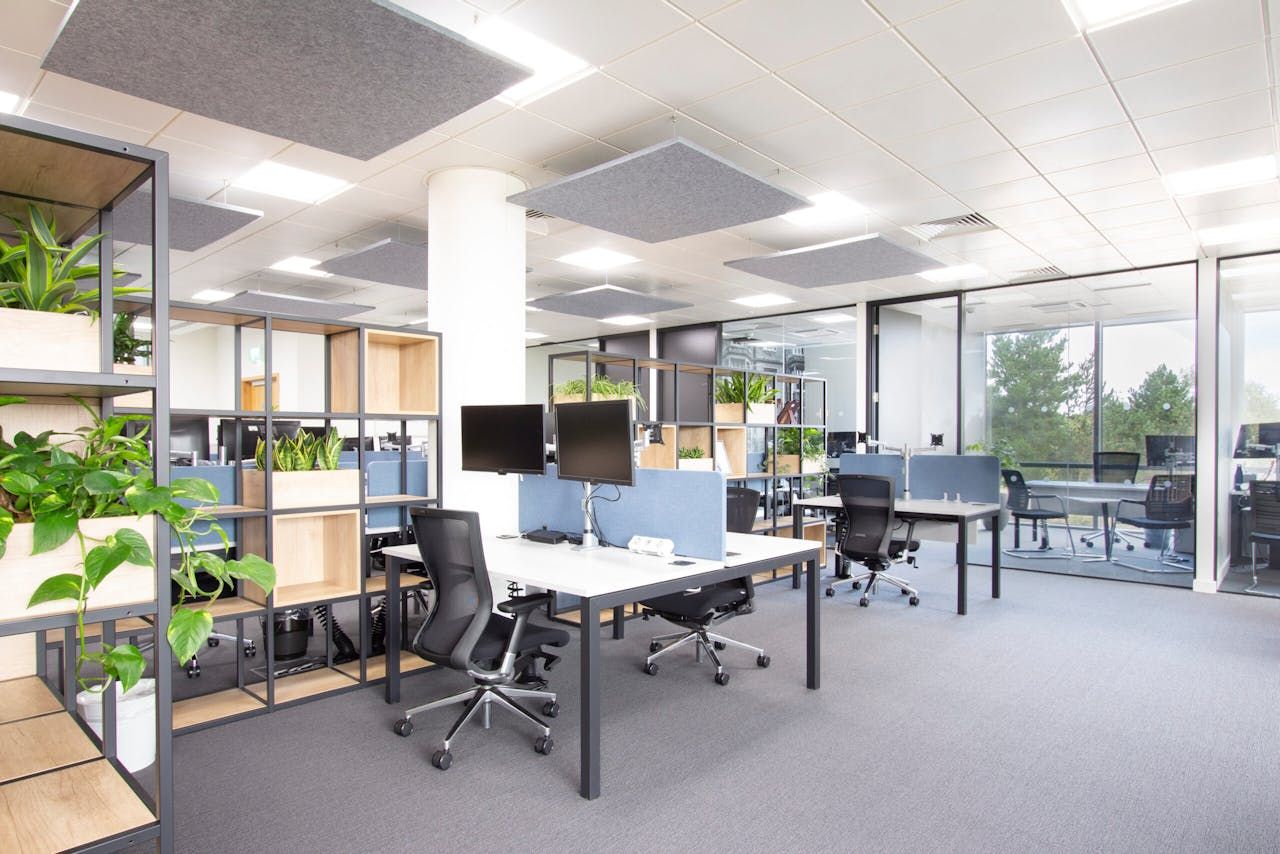
A professional commercial cleaning service should cover the day-to-day cleaning tasks needed to keep your premises safe, hygienic, presentable and ready for staff, customers and visitors.
This usually includes:
- Cleaning desks, surfaces and shared areas
- Emptying bins and managing waste
- Cleaning kitchens, washrooms and staff areas
- Vacuuming, mopping and floor care
- Sanitising high-touch points
- Replenishing consumables where agreed
- Periodic deep cleaning
- Reporting issues or hazards
- Following agreed schedules and safety procedures
The important point is that commercial cleaning should be structured. A reliable provider should give you a clear plan, not a vague promise that everything will be cleaned.
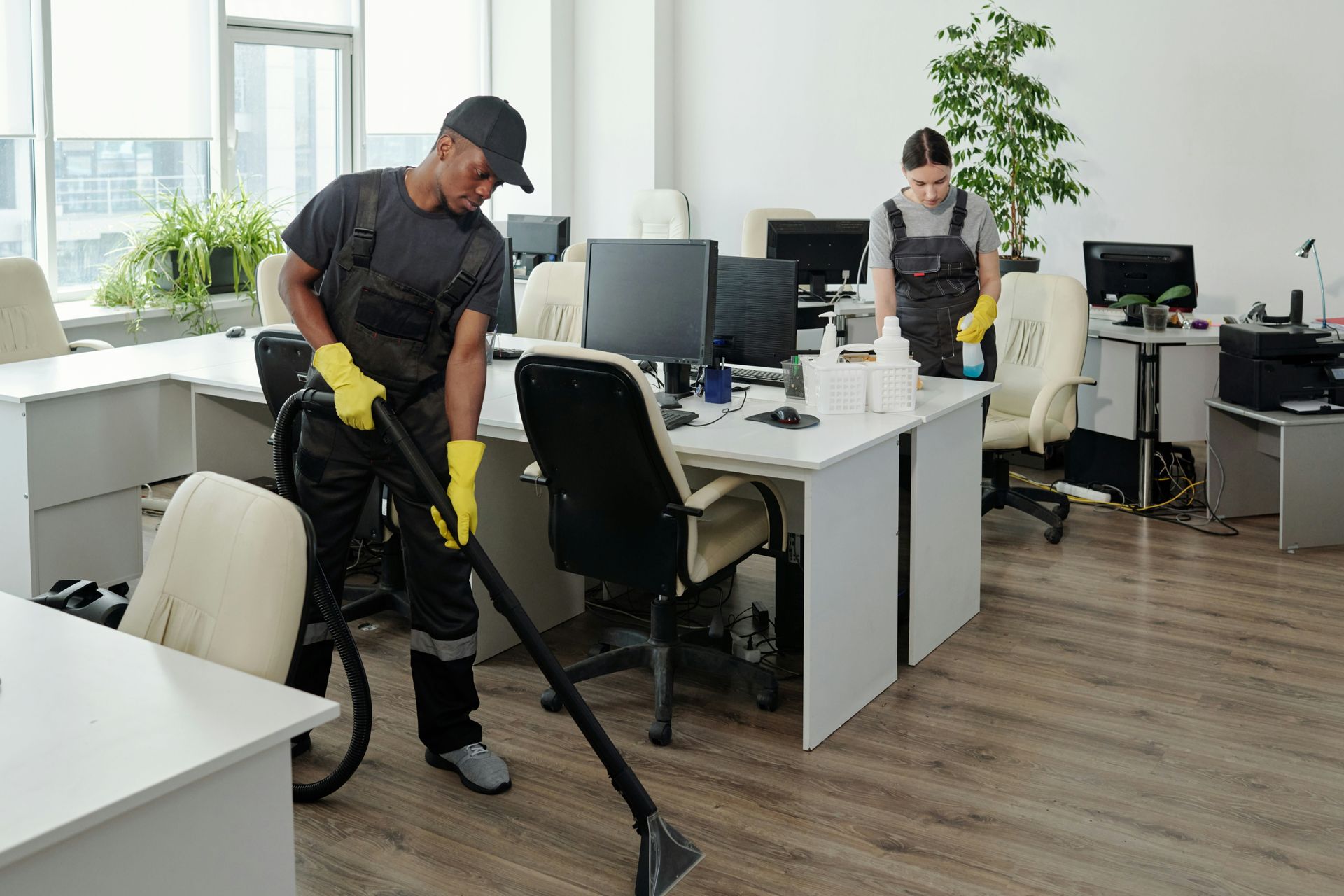
Routine Daily Or Scheduled Cleaning
Routine cleaning is the core of most commercial cleaning services.
This is the work carried out daily, several times a week, weekly or on another agreed schedule. It keeps the building consistently clean rather than waiting until problems become visible.
Typical routine cleaning may include:
- Vacuuming carpets and entrance areas
- Mopping hard floors
- Dusting desks and accessible surfaces
- Cleaning door handles, light switches and touchpoints
- Emptying bins and replacing liners
- Cleaning staff kitchens
- Wiping tables, counters and worktops
- Cleaning toilets and washroom areas
- Restocking soap, paper towels and toilet rolls if included
- Tidying communal spaces
For many offices, schools, nurseries and warehouses, this routine work is what prevents hygiene standards from slipping.
Business owners comparing providers should ask for the routine cleaning schedule in writing. It should explain what will be cleaned, how often, and who is responsible for checking the work.
Washroom & Hygiene Cleaning
Washrooms are one of the most important areas in any workplace.
A professional commercial cleaning provider should clean washrooms thoroughly and consistently because these areas affect staff comfort, visitor impressions and hygiene standards.
This may include:
- Cleaning toilets and urinals
- Cleaning sinks and taps
- Wiping mirrors
- Sanitising handles, flush plates and dispensers
- Mopping floors
- Emptying sanitary bins where included
- Replenishing washroom supplies where agreed
- Reporting leaks, blockages or damage
The Health and Safety Executive states that employers must provide welfare facilities and a healthy working environment, including clean workplace facilities and appropriate waste containers. HSE
workplace facilities guidance
This does not mean every business needs the same cleaning frequency. A small office may need less frequent cleaning than a school or high-footfall commercial site. The cleaning plan should reflect actual use.
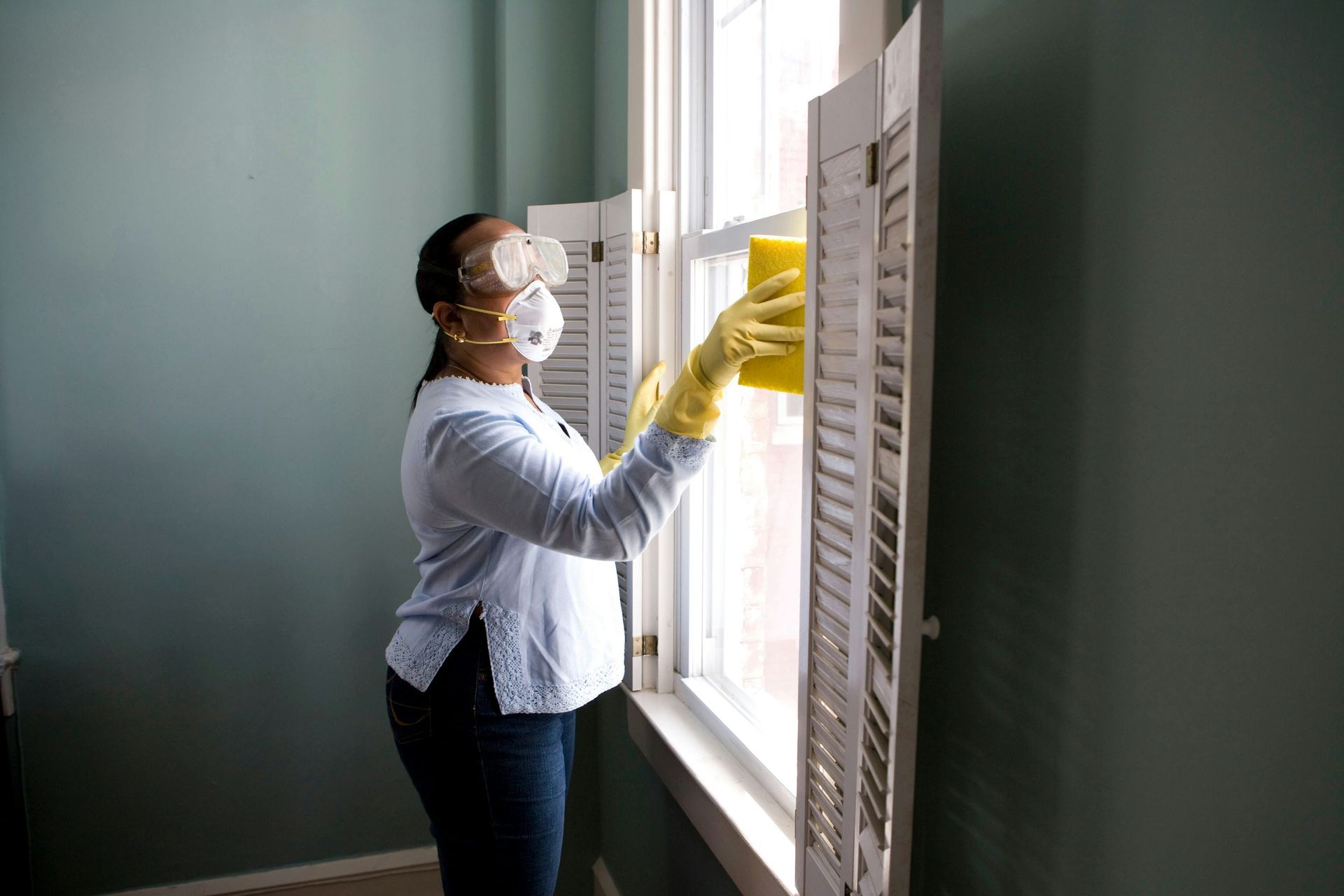
High-Touchpoint Sanitisation
High-touch areas are surfaces that many people come into contact with throughout the working day.
These often include:
- Door handles
- Lift buttons
- Stair rails
- Light switches
- Shared desks
- Reception counters
- Kitchen appliances
- Taps
- Toilet flush handles
- Meeting room tables
Touchpoint cleaning became more widely discussed after the pandemic, but it remains important for everyday workplace hygiene.
A good commercial cleaning service should identify these areas and include them in the regular cleaning schedule, especially in busy buildings or shared workspaces.
Floor Care & Carpet Cleaning
Floors take a lot of daily wear, particularly in entrances, corridors, warehouses and communal spaces.
Professional commercial cleaning may include:
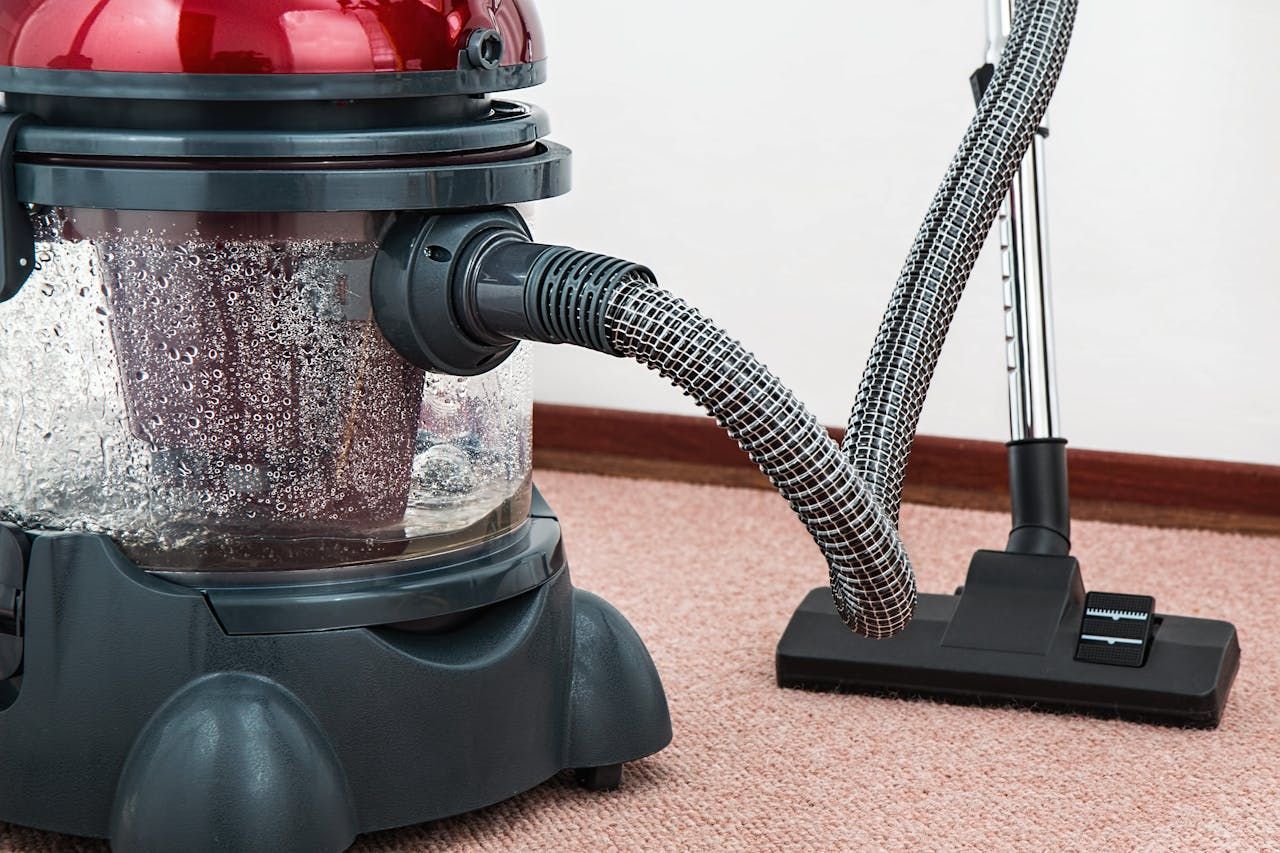
- Vacuuming
- Mopping
- Spot cleaning
- Machine scrubbing
- Hard floor polishing
- Carpet cleaning
- Floor stripping and sealing
- Periodic deep floor maintenance
Not every floor task is usually included in a standard daily cleaning contract. For example, carpet extraction, floor polishing or hard floor restoration may be priced separately as periodic work.
This is why it is important to clarify what is included before agreeing a contract.
A provider should explain the difference between daily floor maintenance and specialist floor care.
Kitchen, Breakout Area & Staff Room Cleaning
Staff kitchens and breakout areas can quickly become unhygienic if they are not cleaned properly.
Typical tasks may include:
- Cleaning worktops
- Wiping tables and chairs
- Cleaning sinks and taps
- Emptying bins
- Cleaning microwave exteriors
- Wiping cupboard fronts
- Mopping floors
- Removing visible spills and food debris
Some businesses assume that cleaners will wash dishes, clean inside fridges or deal with personal items. These tasks are not always included and should be agreed upon clearly.
A professional provider should help set realistic boundaries, so staff and cleaners both understand what is expected.
Waste Removal & Bin Management
Commercial cleaning often includes internal waste handling, but the details matter.
A cleaner may empty office bins, replace liners and move waste to a designated collection point. However, specialist waste, clinical waste, hazardous waste or large-scale disposal may require separate arrangements.
Business owners should check:
- Which bins are included
- How often bins are emptied
- Whether recycling is separated
- Where waste is placed for collection
- Whether washroom waste is included
- Whether any specialist waste is excluded
The Workplace Regulations state that workplaces should be kept sufficiently clean and waste materials should not be allowed to accumulate except in suitable receptacles. Workplace Health, Safety and Welfare Regulations 1992
Good waste management is not just about appearance. It helps reduce odours, pests and avoidable hygiene risks.
Periodic Deep Cleaning
Deep cleaning is different from routine cleaning.
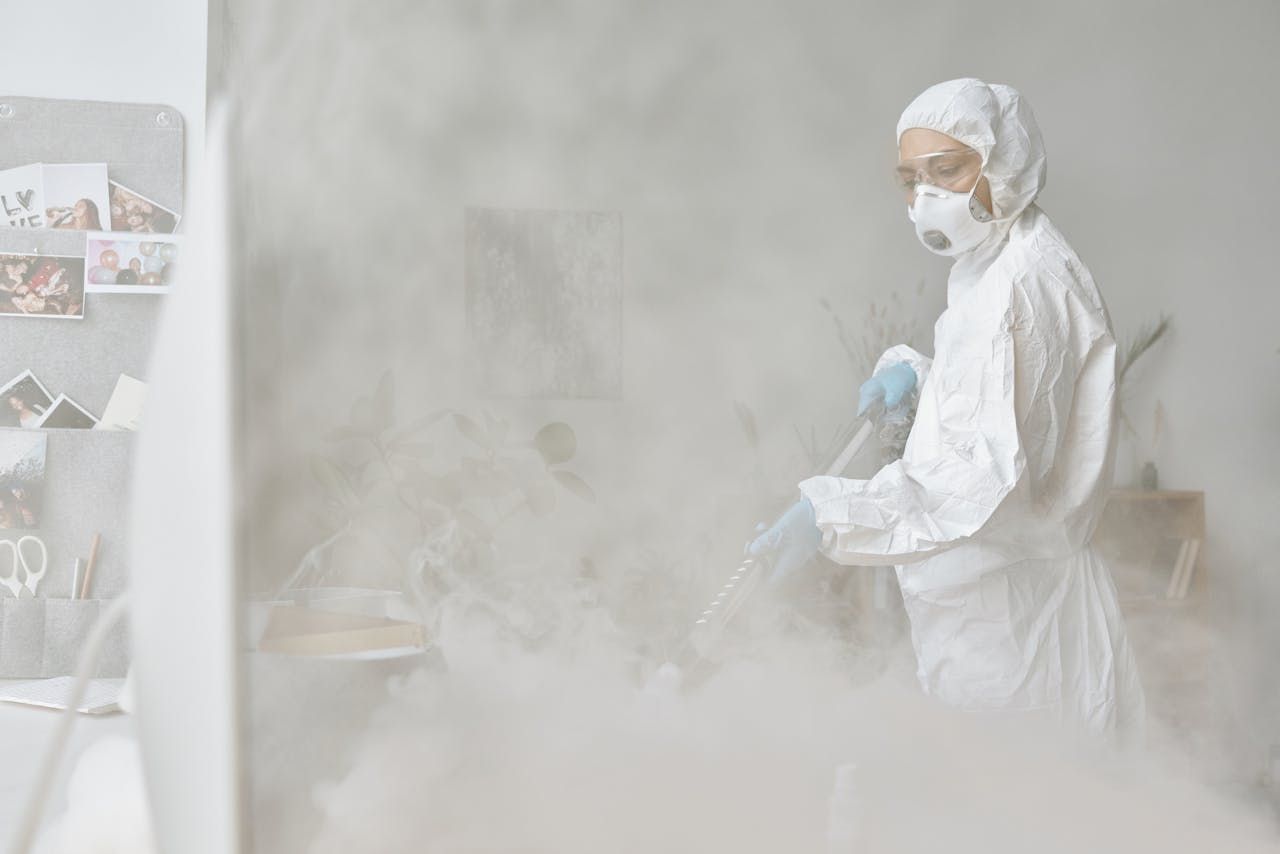
Routine cleaning maintains standards day to day. Deep cleaning tackles build-up, hard-to-reach areas and more detailed hygiene requirements.
Periodic deep cleaning may include:
- Carpet and upholstery cleaning
- High-level dusting
- Floor scrubbing or polishing
- Washroom deep cleaning
- Kitchen deep cleaning
- IT and equipment cleaning
- Intensive touchpoint cleaning
- Cleaning after refurbishments or building works
How often deep cleaning is needed depends on the site.
An office may need periodic carpet cleaning. A nursery may need more frequent deep cleaning of play areas and touchpoints. A warehouse may need industrial floor cleaning or dust control.
LNC Services covers different commercial environments through its commercial cleaning services, including sector-specific cleaning for workplaces such as offices, nurseries, schools, dentists and warehouses.
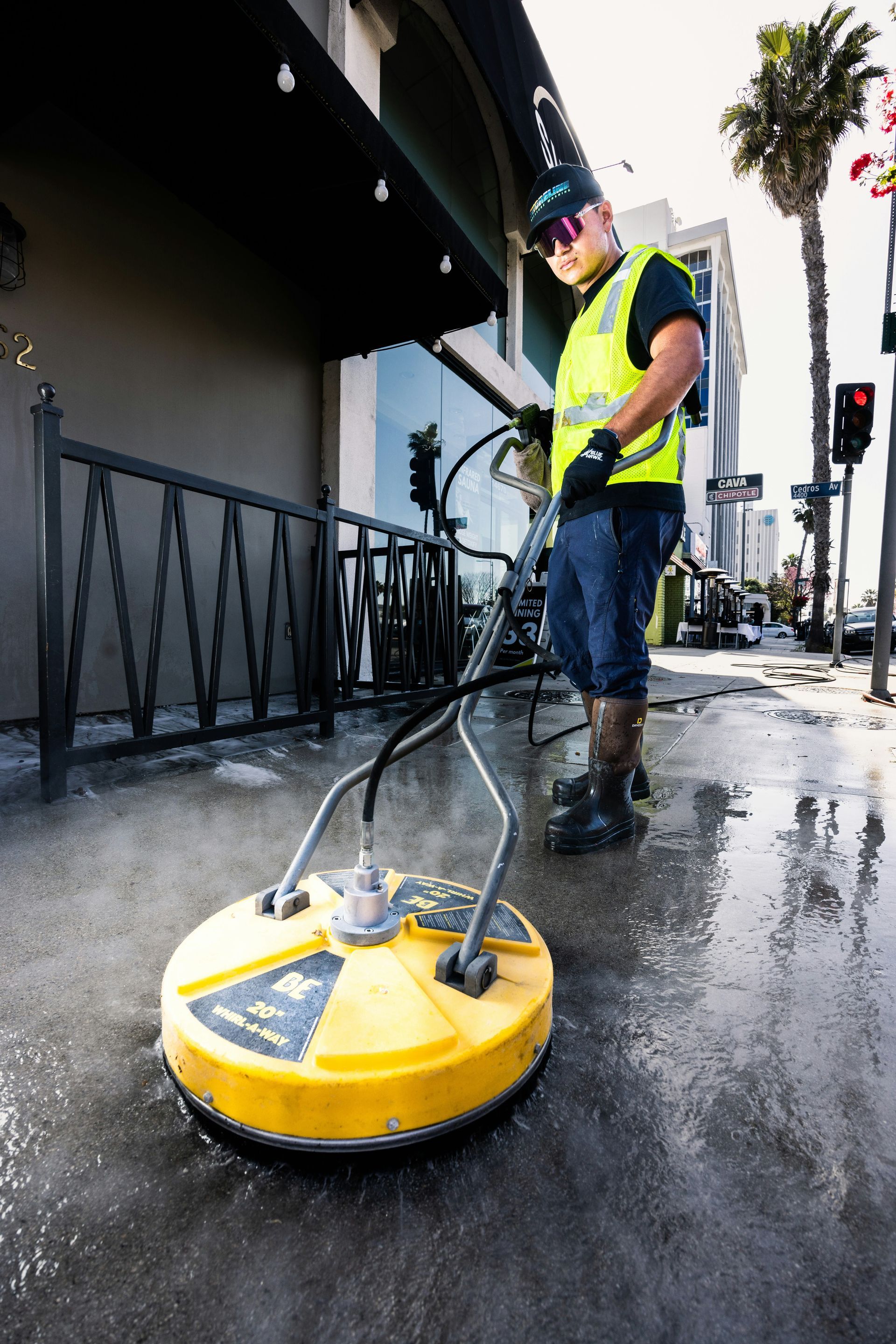
Cleaning Products, Equipment & COSHH
A professional cleaning provider should use suitable products and equipment for the environment.
This is especially important when cleaning products contain substances that could affect health if used incorrectly.
COSHH covers the control of substances hazardous to health, and the HSE explains that chemicals and other hazardous substances used at work can put people’s health at risk. HSE COSHH guidance
A good provider should be able to explain:
- What products are used
- Whether safety data sheets are available
- How chemicals are stored
- Whether staff are trained to use products safely
- What PPE is required
- How is cross-contamination reduced
- Whether colour-coded cleaning systems are used
This matters because professional cleaning is not just about making a workplace look tidy. It also involves safe systems of work.
Quality Checks & Communication
One of the biggest differences between a casual cleaner and a professional commercial cleaning provider is management.
A proper service should include a clear way to monitor standards and resolve issues.
This may involve:
- Site checklists
- Supervisor inspections
- Cleaning schedules
- Regular communication
- Issue reporting
- Cover arrangements for absence
- Review meetings
- Clear escalation routes
From our experience as a commercial cleaning company in Croydon, many business owners only realise the importance of communication after dealing with missed tasks, inconsistent cleaners or unclear responsibilities.
The best cleaning contracts are usually the ones where expectations are clear from the start.
What May Not Be Included As Standard
This is where many misunderstandings happen.
A standard commercial cleaning service may not automatically include every task a business owner expects.
Common exclusions or separately priced services may include:
- External window cleaning
- Carpet extraction
- High-level cleaning
- Pest control
- Upholstery cleaning
- Specialist floor restoration
- Deep cleaning
- Builders cleans
- Consumables supply
- Sanitary waste services
- PAT testing or maintenance tasks
Some providers can supply these as additional services. Others may not.
LNC Services also offers wider support through building maintenance and facilities management, which can be useful for businesses that want to manage cleaning, maintenance and workplace support through one provider.
How To Compare Commercial Cleaning Services Properly
Do not compare providers on price alone.
A cheaper quote may exclude supervision, materials, consumables, cover cleaners or periodic tasks. A higher quote may include more support, clearer management and better consistency.
When comparing commercial cleaning services, ask:
- What areas are included?
- How often will each task be completed?
- Are cleaning products and equipment included?
- Are washroom supplies included?
- Who manages the cleaners?
- What happens if a cleaner is absent?
- Are deep cleans included or separate?
- Is there a written cleaning specification?
- Are COSHH documents available?
- How are problems reported?
- Is there a minimum contract term?
For more guidance, read LNC Services’ article on how to choose the right commercial cleaning service for your business.
Signs Of A Well-Managed Commercial Cleaning Service
A professional service should feel organised before the cleaning even begins.
Good signs include:
- A site visit or detailed consultation
- A written cleaning specification
- Clear pricing
- Defined cleaning frequencies
- Named contact details
- Sensible questions about access and opening hours
- Discussion of high-priority areas
- Clear health and safety awareness
- Realistic advice about what is needed
Warning signs include:
- Vague task descriptions
- No mention of products or equipment
- No clear contact person
- No discussion of site access
- No explanation of cover arrangements
- No written schedule
- A quote that seems unusually low without explanation
A good provider should make your life easier, not create another management problem.
What Is Included In Professional Commercial Cleaning?
Professional commercial cleaning usually includes routine cleaning, washroom cleaning, bin emptying, floor care, touchpoint sanitisation, kitchen cleaning, waste management and agreed periodic deep cleaning.
How Often Should A Business Have Commercial Cleaning?
It depends on the size of the premises, footfall, sector and hygiene requirements. Some offices need weekly cleaning, while schools, nurseries, healthcare settings and busy workplaces often need daily cleaning.
Are Cleaning Products Included In Commercial Cleaning Services?
Sometimes. Some providers include products and equipment in the contract, while others charge separately. Always check this before agreeing to a quote.
Does Commercial Cleaning Include Deep Cleaning?
Not always. Deep cleaning is often a separate periodic service, especially for carpets, floors, high-level areas, kitchens and washrooms.
What Should I Ask Before Hiring A Commercial Cleaning Company?
Ask for a written specification, cleaning frequencies, product details, insurance information, COSHH processes, supervision arrangements and what happens if standards are not met.
This is paragraph text. Click it or hit the Manage Text button to change the font, color, size, format, and more. To set up site-wide paragraph and title styles, go to Site Theme.